I THINK ALL THE POLITICIANS IN GHANA ARE LIARS
Politicians
are often accused of being untruthful, and this perception is not unfounded. To
understand why this is the case, it is important to first define what politics
is. According to the Encarta dictionary, politics refers to the theory and
practice of government, including the activities associated with obtaining
legislative or executive power, or with forming and running organizations
connected with government. It also encompasses the interrelationships between
people, groups, or organizations in a particular area of life, especially insofar
as they involve power, influence, conflict, or the use of tactics and strategy
to gain power in a group or organization. With these definitions in mind, we
can deduce the meaning and description of a politician. A politician is someone
who actively or professionally engages in politics or is a member of a branch
of government.
Now,
let's define what a liar is. A liar is someone who tells lies, often with the
intention of deceiving or misleading others. In Ghana, politicians are often
accused of being liars due to their actions and attitudes. For example, many
politicians make promises to the electorate before coming into power, only to
fail to fulfill those promises once they are in office. This is a common
occurrence, and it has led to a lack of trust in politicians among the general
public.
Additionally,
politicians are often accused of favoritism and nepotism when it comes to
granting employment opportunities. They promise to create jobs for the
unemployed populace, but instead, they often give these opportunities to family
members and close friends. This is seen as a form of lying, as politicians are
not fulfilling the promises they made to the electorate.
Furthermore,
some politicians are accused of taking bribes from the unemployed in exchange
for employment opportunities. This is another example of lying, as politicians
are not fulfilling their promises to the populace.
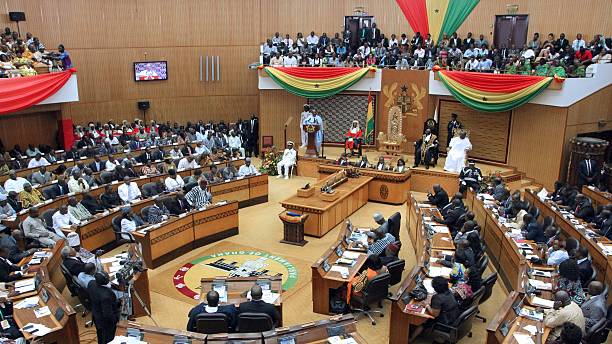
Finally,
politicians are often accused
of making promises they cannot keep. For example,
the ruling party in Ghana promised to raise the value of the cedi and reduce
taxes, but they have not been able to fulfill these promises. They also promised
to solve the country's electricity problems, but they have not been able to do
so. This has led to a lack of trust in politicians among the general public.
In
conclusion, politicians in Ghana are often accused of being liars due to their
actions and attitudes. They make promises they cannot keep, show favoritism and
nepotism when it comes to granting employment opportunities, and are often
accused of taking bribes. This has led to a lack of trust in politicians among
the general public, and many people have become disillusioned with the
political process.
Comments
Post a Comment